
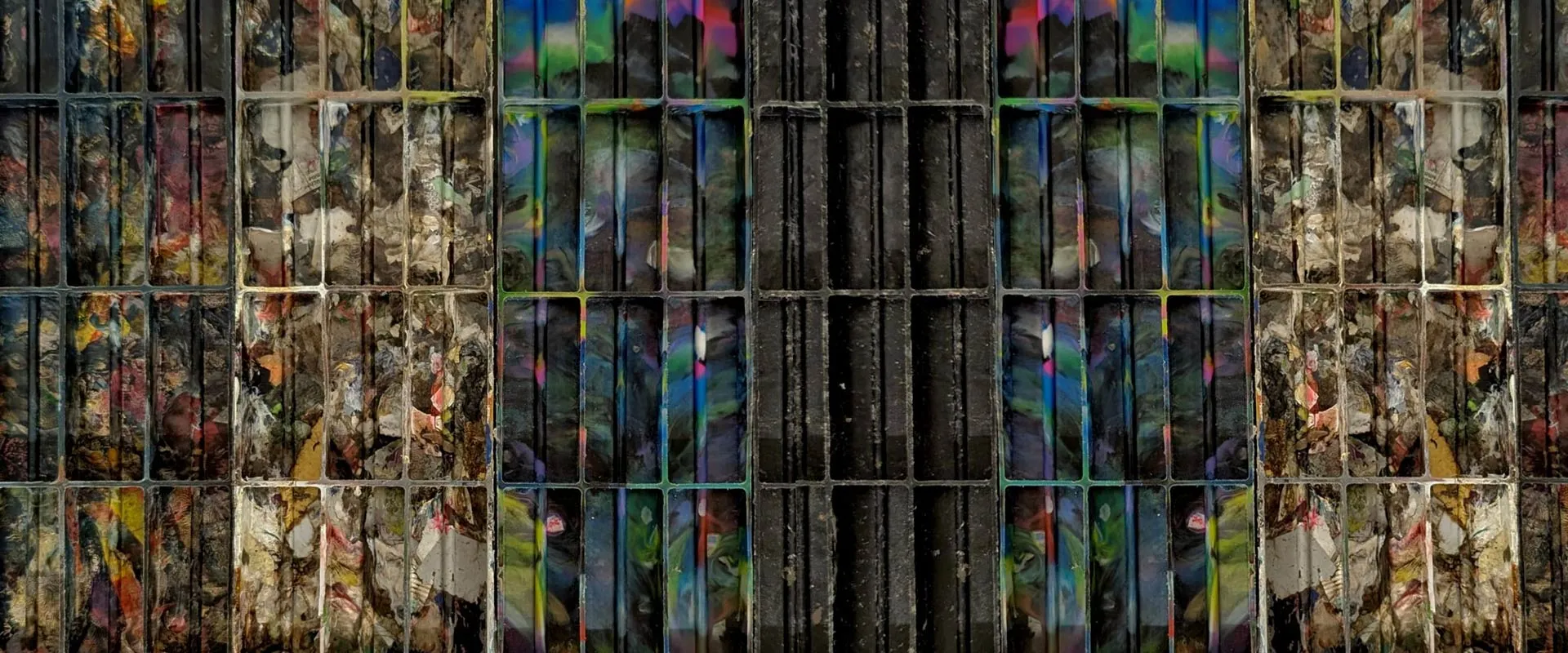
Recycling the Unrecyclable
Turning suitable hard-to-recycle plastics and mixed plastic waste into industrial fibre-composite materials
Why Conventional Recycling Fails
Conventional recycling performs best when the material quality and recovered value justify collection, sorting and processing. Many coastal, industrial and low-value plastic streams challenge that model: they are mixed, contaminated, degraded or economically unattractive.
That is why they are often incinerated, landfilled or left outside circular systems entirely. If they leak into the environment, there is usually no market incentive to recover them.
The Technology
Developed together with MeSentia AG & Inspire AG (ETH ecosystem)
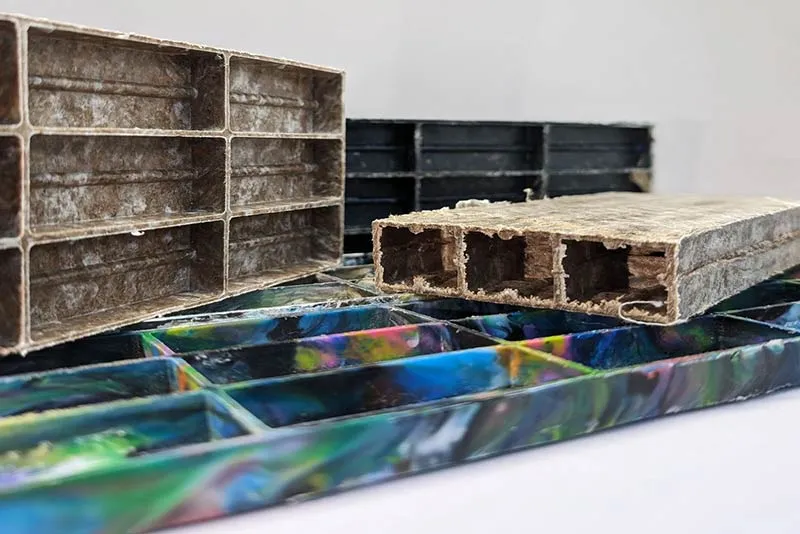
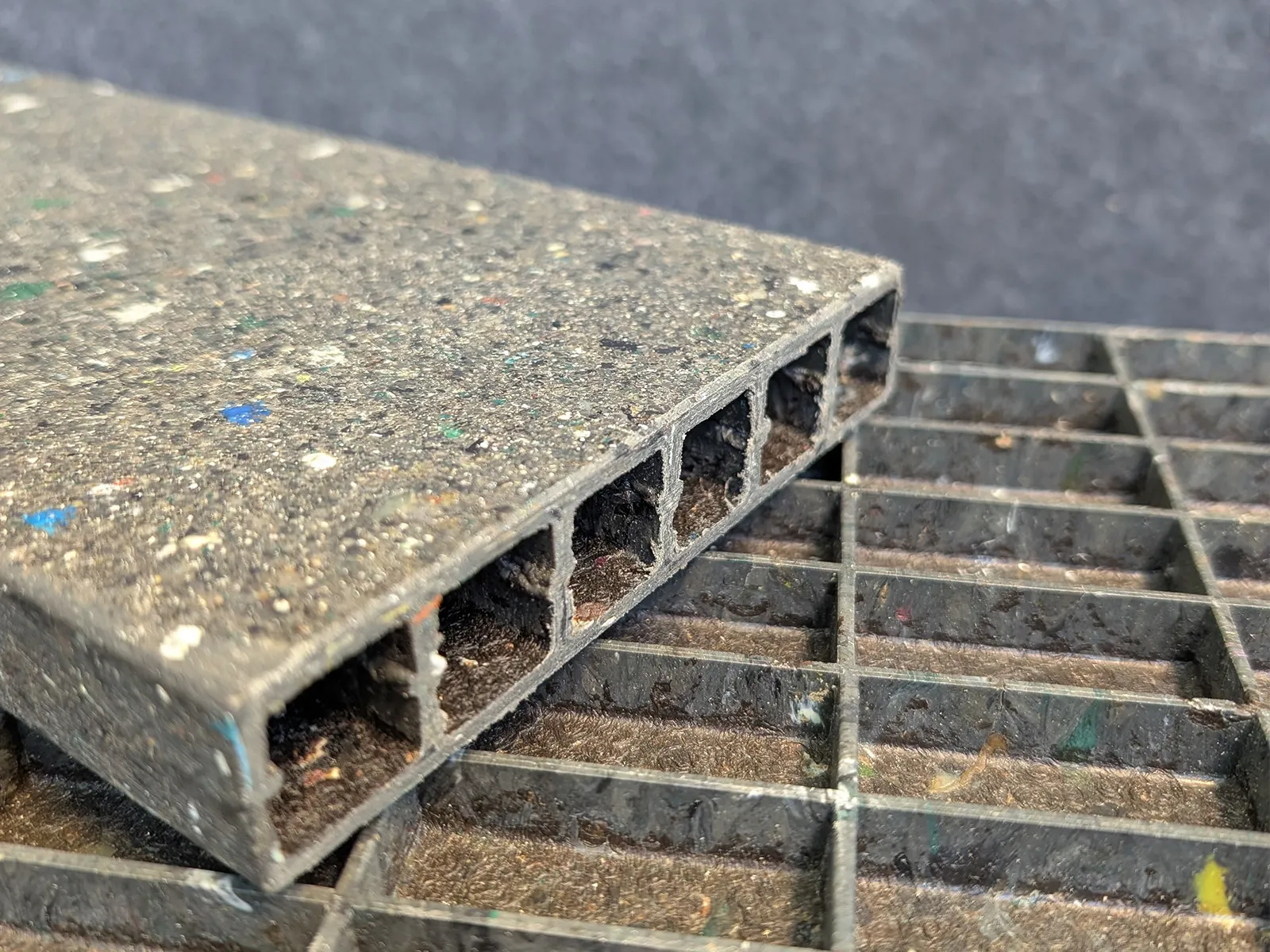
W2P (Waste-to-Product) brings suitable low-value plastic streams into fibre-composite materials and shaped industrial parts. A thermoplastic matrix binds reinforcing fibres; moulded ribs and hollow structures create stiffness through geometry rather than solid material alone.
Ocean Material connects circular feedstock sourcing, material integration and application partners around MeSentia’s technology. The route is designed to use qualified secondary materials directly, without first producing a marketable recycled pellet.
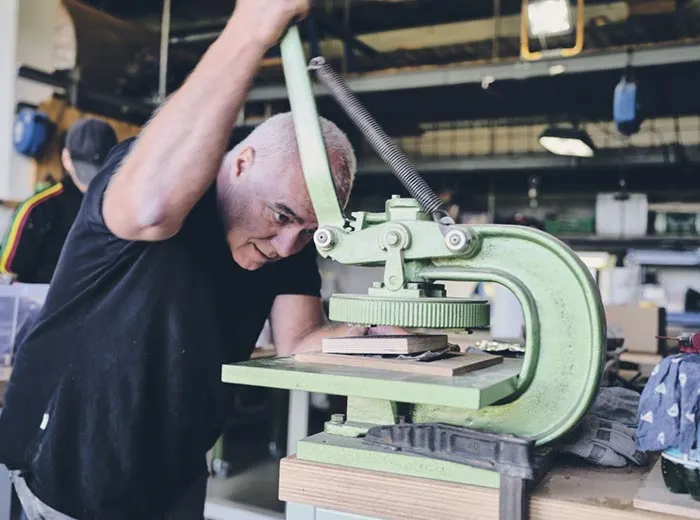
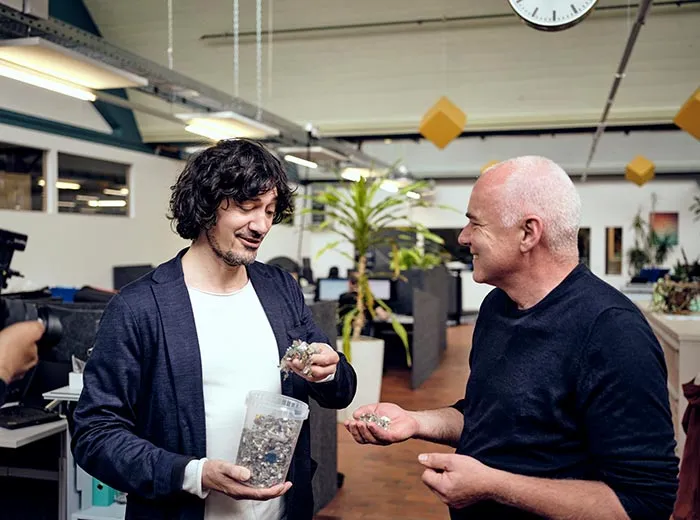
Feedstock-specific sorting & cleaning
Direct moulding, not extruded profiles
No re-pelletizing
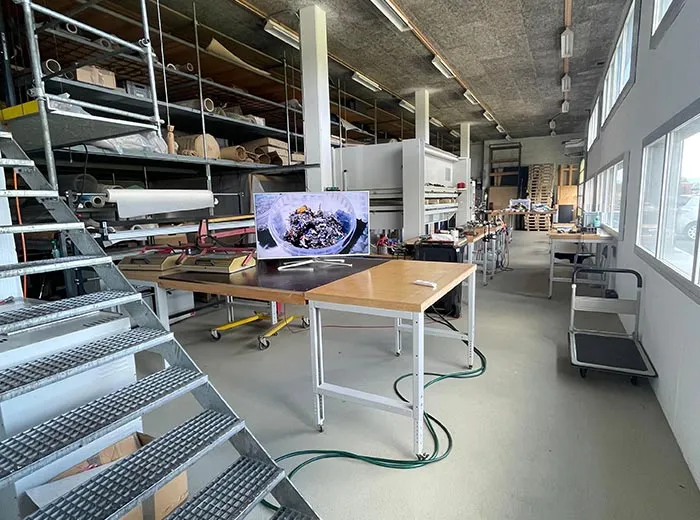
Designed for decentralised processing
Fibre-composite lightweight structures
Preparation is matched to each feedstock and formulation. Coarse contaminants must be removed and unsuitable fractions excluded; this is not a route for unrestricted contamination. Clean mono-material streams remain valuable inputs for established recycling routes.
A complementary route to mechanical and chemical recycling
Conventional mechanical recycling typically sorts, cleans and reprocesses plastics while retaining their polymer structure. Chemical recycling routes such as depolymerisation or pyrolysis break polymers down into smaller chemical building blocks or feedstocks.
W2P follows a direct material-to-component route: suitable mixed plastic waste is combined with fibres and formed into industrial parts, rather than first converted into purified resin or chemical feedstock. Heating, mixing and moulding remain part of the process; it does not bypass material preparation.
Project work focuses on PE/PP-based mixtures and fibre-reinforced formulations for panels and pallet components. For these material–application combinations, W2P offers an additional route where recovery into conventional resin grades is difficult or uneconomic. The appropriate route depends on the input stream and the required product performance.
The Plastic Waste No One Wants – Until Now
From difficult waste streams to real industrial material prototypes
Output Material
Circular fibre-composite lightweight material.
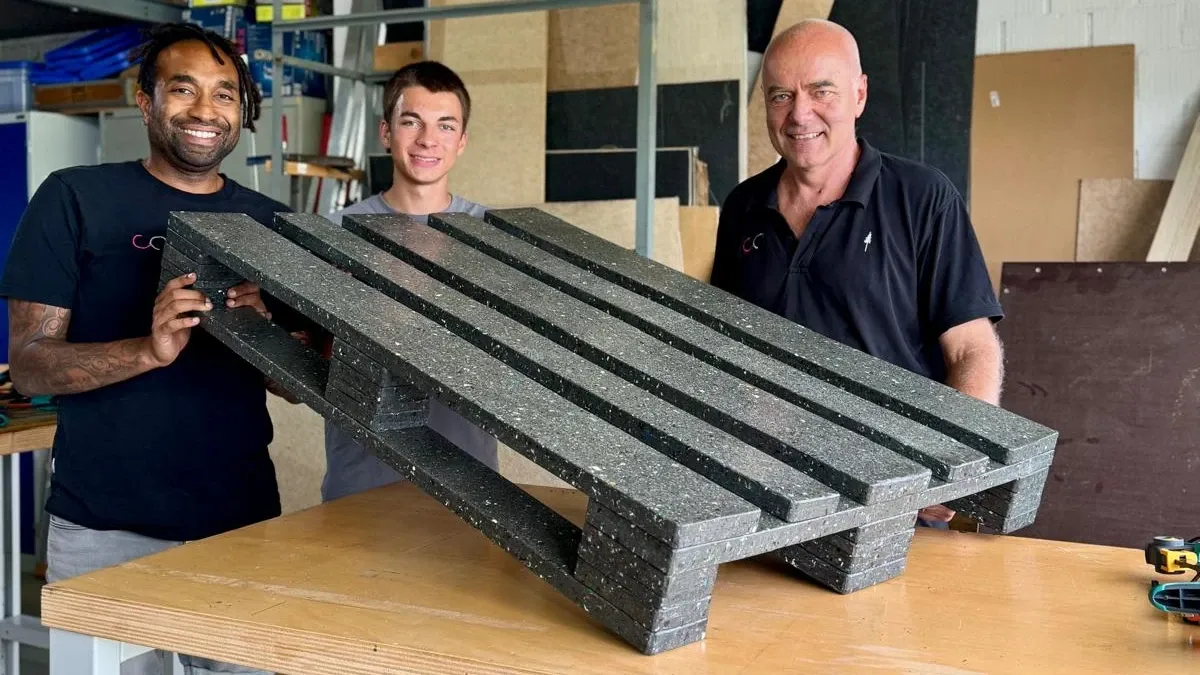
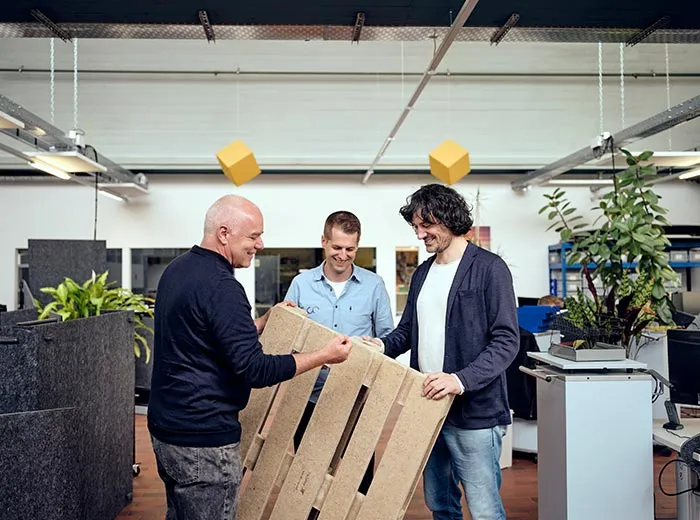
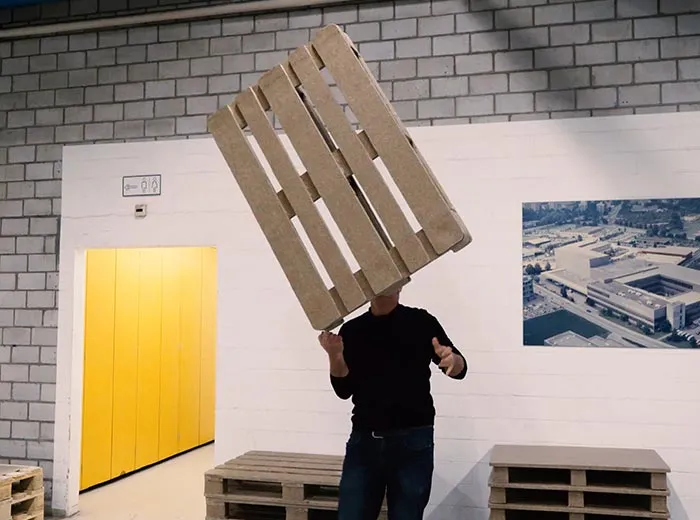
Panels and shaped components combine a secondary-plastic matrix with reinforcing fibres. Material and structural trials have demonstrated ribbed lightweight parts; assembled pallet prototypes show how these components can become a complete product. Formulation, geometry and joining are developed together for the intended use.
Applications
Pallets are the first concrete use case, supported by physical prototypes and panel development. Building elements and wider industrial components are further development fields, with application-specific testing still required.
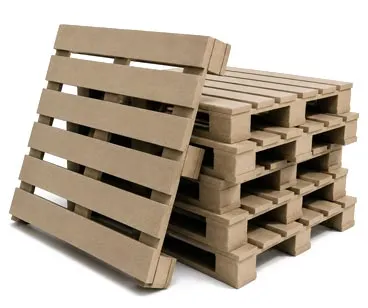
W2P Pallets
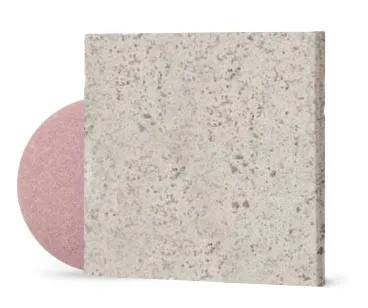
Panels
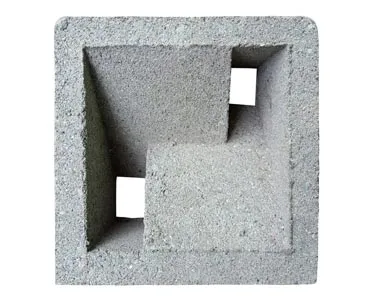
Building elements
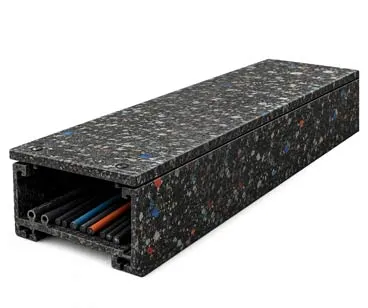
Industrial components
Lead Use Case 2026
W2P Pallets
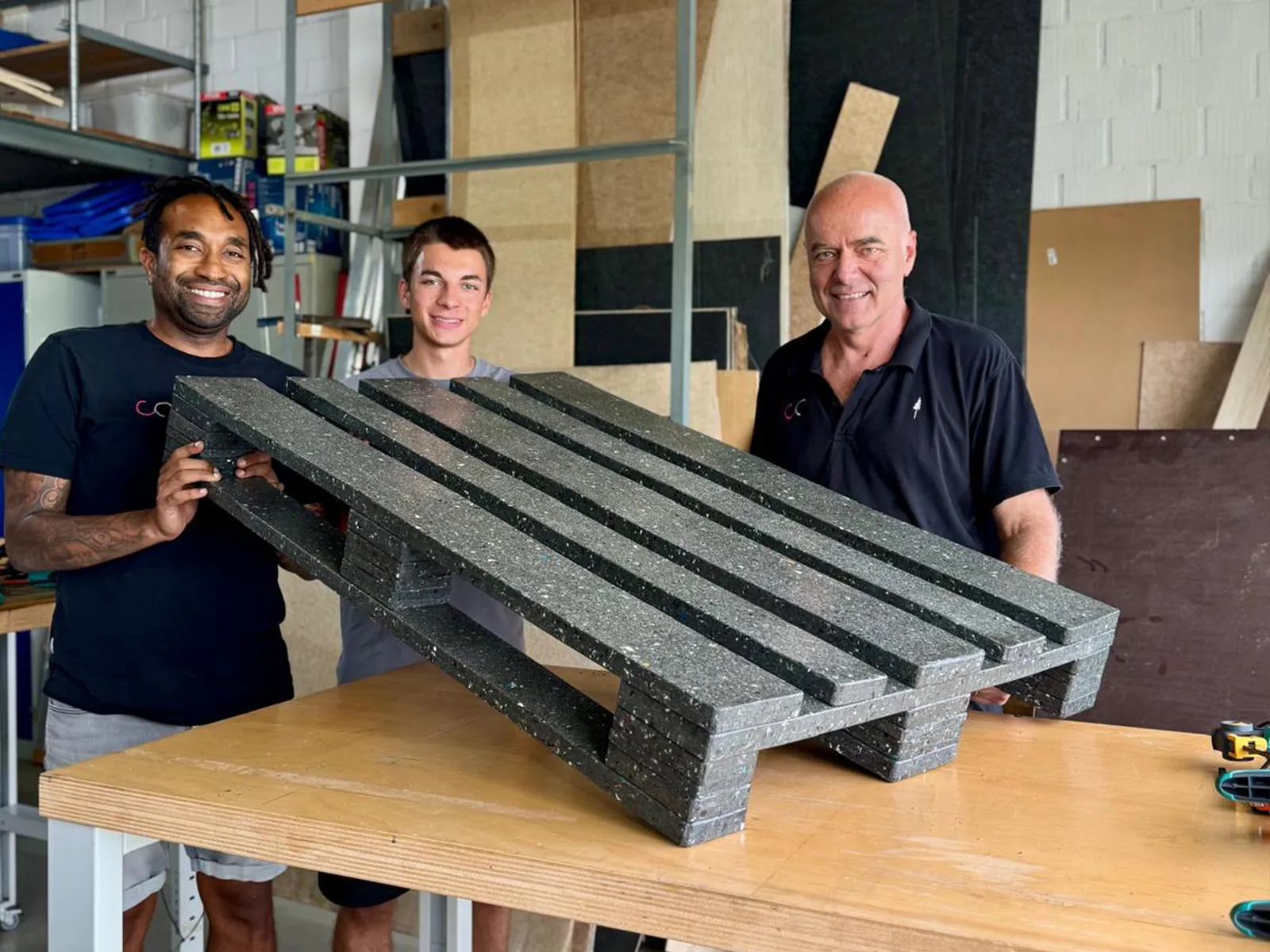
A physical pallet prototype demonstrates the step from fibre-composite panels to an assembled logistics product. Its lightweight structural design makes the pallet a practical first application for developing the process towards industrial production.
The current prototype weighs 16 kg. Load capacity and service life require application validation; the weight alone does not establish equivalence to a wooden pallet.
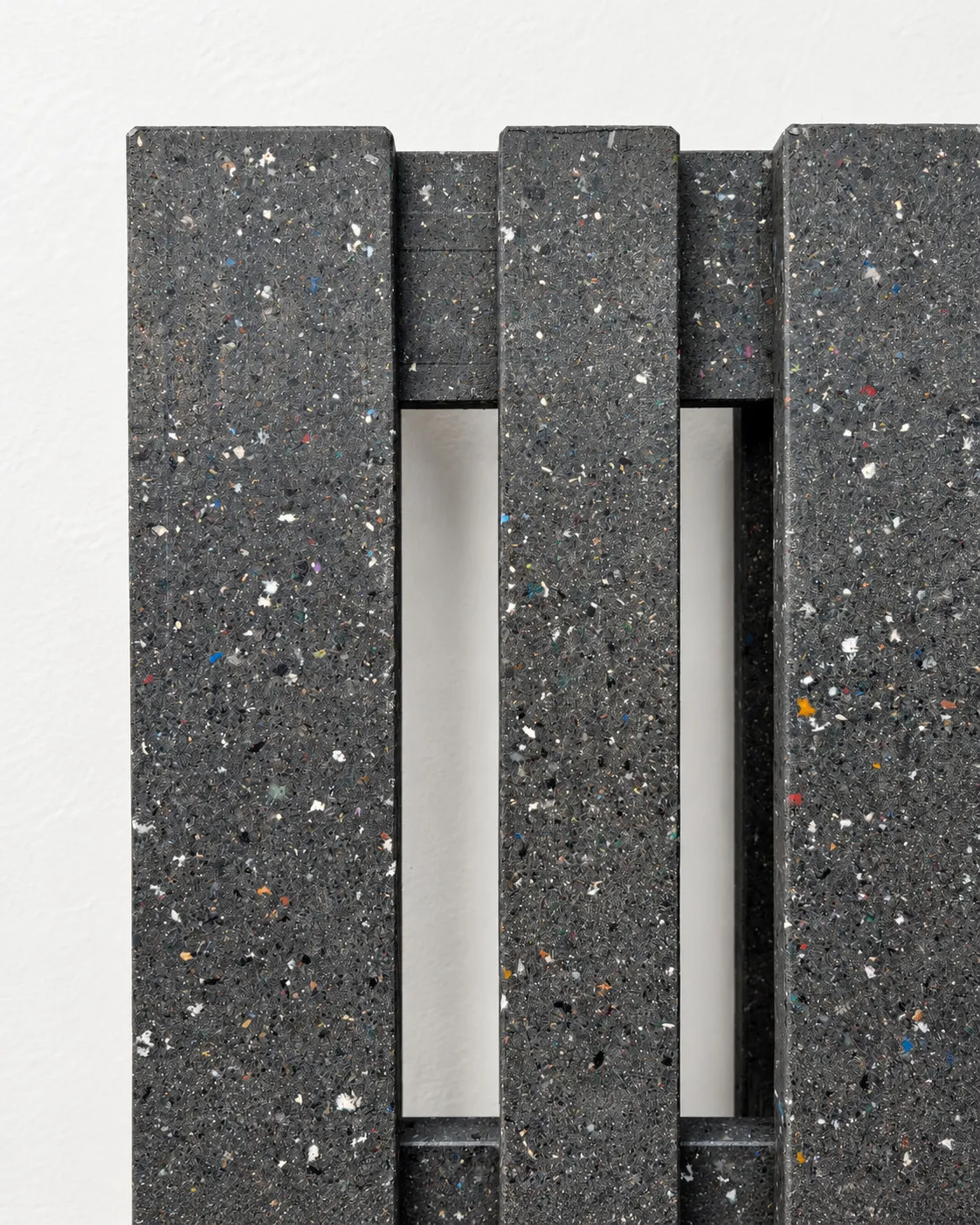
- Weight of the current physical pallet prototype.
- 16 kg prototype
- Compared with the wooden-pallet reference in our calculation at planned production scale.
- At least 20% lower projected costs
- Preliminary comparative LCA modelling benchmarks an earlier scenario for our pallet against conventional wooden and recycled-plastic pallets. We see enormous potential to reduce emissions and energy demand.
- Climate & energy potential
- A comprehensive, product-specific LCA is planned.
Preparing for industrialisation
Physical pallet prototypes, lightweight panel demonstrators and documented material trials provide the basis for the next phase. We are preparing for industrialisation: scaling the process, improving repeatability and automation, validating applications and developing the manufacturing setup with engineering partners.
We are looking for industrial partners and investors to help bring this next phase into practice. Arrange a visit to the development site to see the prototypes and discuss feedstock, application, manufacturing or investment opportunities.
Why Industry Partners Choose W2P
Reduces dependency on virgin materials
Opens routes for difficult internal waste streams
Connects feedstock and product development
Supports regional manufacturing models
Enables industrial lightweight structures
Makes use of low-value feedstocks
Frequently Asked Questions
Practical answers about feedstocks, the process and the next development steps.
What are Coastal Residue Streams (CRS)?
Coastal Residue Streams (CRS) are low-value, often mixed and contaminated waste materials collected from coastal and ocean-bound environments. These typically include discarded plastics, fishing nets, textiles, and other debris that are difficult to recycle conventionally and are at risk of entering the ocean ecosystem.
How does the OM technology differ from mechanical recycling?
The W2P route uses MeSentia’s material and forming technology to turn qualified mixed plastic streams and fibres into components. Its distinction from conventional resin-grade recycling is the direct focus on a shaped product and its structural geometry, rather than producing a uniform recycled pellet first. Input preparation and formulation remain essential.
How does W2P complement mechanical and chemical recycling?
W2P adds a component-making route for suitable hard-to-recycle plastics. Unlike chemical routes that break polymers into smaller chemical building blocks or feedstocks, it retains a polymer matrix and combines it with fibres. Project work on mixed PE/PP-based formulations, lightweight panels and pallet components demonstrates the application focus. It complements established routes rather than replacing them for every material stream.
Does the process require extrusion?
The lightweight components are shaped in moulds, not produced as conventional extruded profiles. No intermediate re-pelletizing stage is required by the direct route. Upstream material preparation may still use mixing or extrusion equipment, depending on the formulation and production setup.
What is the climate and energy potential?
Preliminary comparative LCA modelling benchmarks an earlier 12.5 kg pallet scenario against reference data for conventional wooden and recycled-plastic pallets. We see enormous potential to reduce emissions and energy demand.
This earlier scenario does not validate the current 16 kg prototype and is not an independently validated LCA of today’s pallet system.
A comprehensive, product-specific LCA is planned; it has not yet begun.
Where can the technology be deployed?
The planned manufacturing concept supports regional facilities close to suitable waste streams and industrial demand. Site selection, feedstock preparation and the production system form part of industrialisation planning; this is not yet a claim of serial deployment.