Skip to content

Insights on Circular Materials

Research, analysis and real-world perspectives on ocean-bound plastic, recycled materials, recycling technologies and the circular economy

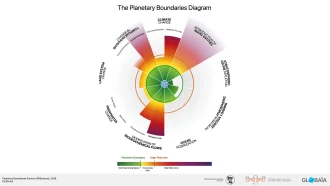
Planetary Boundaries diagram 2026 showing seven of nine boundaries exceeded

Planetary Health 2026: Why Circular Materials Matter

Seven of nine planetary boundaries have been breached. The latest scientific assessment highlights why material choices, resource efficiency and circular supply chains are increasingly important.

Why Recyclable Packaging Falls Short

Why does recyclable packaging still become waste? This interview explores collection, recycling capacity, material demand and industrial development.

Ocean-Bound Plastic: From Waste to Value

Follow ocean-bound plastic from coastal collection to PET flakes. Learn how local waste systems, processing and people shape the material supply chain.

Recycling Mixed Plastics: What It Takes

Why is recyclable plastic not always recycled? This interview explores coastal waste, recycling economics and new uses for difficult mixed plastics.

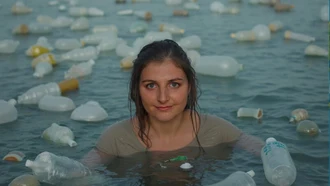
How AI Makes Plastic Pollution Personal

Discover how #PictureTheProblem uses personalised AI images to make environmental challenges feel closer and invite reflection on plastic pollution.

8 Shocking Plastic Pollution Statistics

Explore eight statistics on plastic waste, ocean pollution and harm to wildlife. The article explains the scale of the problem and possible responses.

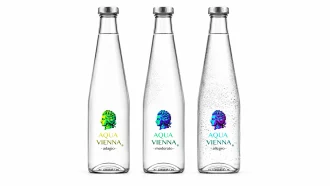
Three glass bottle designs for the Aqua Vienna packaging concept

Reusable Beverage Packaging: The Aqua Vienna Concept

Explore Aqua Vienna’s application concept for reusable beverage packaging: glass bottles, recycled HDPE transport crates and refill bottles.

Ocean Innovation: Awards and Recognition

Read about the Meaningful Business 100 recognition and Ocean Tribute Award finalist nomination connected to Ocean Material's ocean-protection work.

Mixed Plastic Waste: New Material Uses

Explore a development approach for turning difficult mixed plastics into structural products, including the performance and environmental questions still to assess.

Blue Carbon: Why Coastal Habitats Matter

Learn how mangroves, salt marshes and seagrasses store blue carbon, and why ecosystem carbon storage differs from a product carbon footprint.

Plastic Recycling: A Guide to Codes 1–7

Understand plastic resin codes 1–7, common polymer types and their recycling routes. Learn why identifying a plastic is only part of the recycling question.

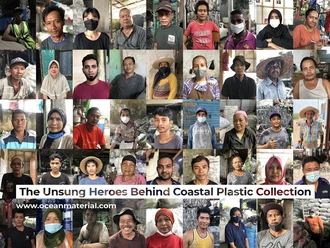
Meet the Coastal Plastic Collectors

Meet the people behind coastal plastic collection through a visual tribute to their work. Learn about the accompanying photo-exhibition invitation.

Seaweed Polymers: A Route to Packaging

Explore direct seaweed-to-polymer extrusion for packaging, including its development goals and the need to assess environmental and end-of-life performance.

Five Myths About Plastic Pollution

Examine five common assumptions about bioplastics, recycling and packaging. Learn why material choices depend on waste systems and how products are used.

Less Plastic: Rethinking Packaging

Ask whether packaging can be reduced, reused or avoided before replacing its material. Explore practical questions for product developers.

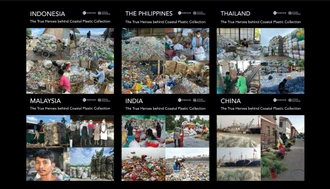
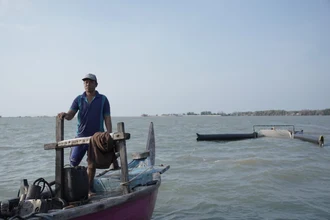
Coastal Plastic Collection Across Asia

Follow the Heroes series through coastal plastic collection in Asia. See the people doing the work and the challenges they face.

5 Ways to Tackle Plastic Pollution

Compare five approaches to plastic pollution, including producer responsibility, bioplastics, enzymatic recycling and better collection systems.

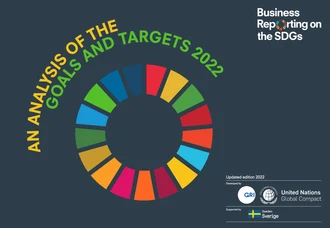
SDG Reporting: A Guide for Business

Learn how the Sustainable Development Goals can guide business reporting, with a link to the GRI and UN Global Compact analysis of goals and targets.

Marine Debris: Targeted Action in Indonesia

Explore Ocean Material’s Marine Debris Program in Indonesia and how customers and partners can join targeted recovery actions where local ecosystems need protection.

Learning to Recycle Ocean Plastic

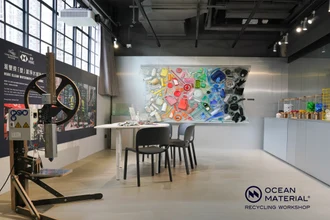
Discover hands-on workshops that turn plastic waste into learning experiences, with a programme update linking to the Circular Roadshow in the Philippines.

10 Scientific Solutions to Plastic Pollution

Explore ten approaches to plastic pollution, from ocean cleanup and satellite monitoring to enzymes and new material uses.

Plastic Pollution Myths Explained

Revisit common ideas about the Great Pacific Garbage Patch and plastic breakdown. Learn why simple pollution claims can miss important details.

10 Facts About Ocean Plastic Pollution

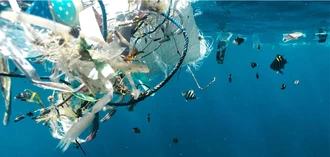
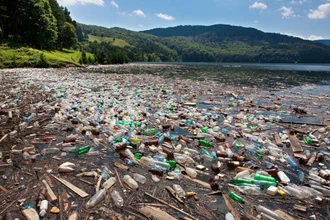
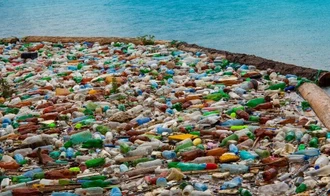
Explore how plastic reaches the ocean, affects marine wildlife and breaks into microplastics. Ten facts explain why waste prevention matters.

How Plastic Harms Ocean Wildlife

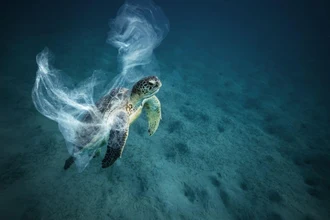
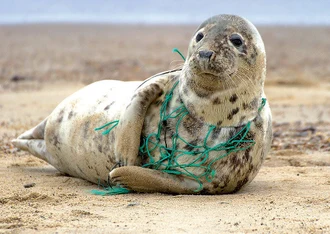
Learn how discarded plastic affects ocean wildlife through ingestion and entanglement, and explore ways to reduce the waste reaching marine habitats.

Tracking Ocean Plastic from Space

Learn how researchers use NASA satellite data to track ocean microplastics and identify where particles move and accumulate.

The Great Pacific Garbage Patch Explained

Learn how ocean currents concentrate plastic in the Great Pacific Garbage Patch, why it is not a single island, and how marine life is affected.

Connecting Recycling with Ocean Protection

Learn why Ocean Material connects collectors, recyclers and manufacturers to improve waste systems and create demand for recycled materials.

A Shared Strategy to Prevent Ocean Plastic

Discover Ocean Material's approach to connecting organisations, brands and recycling partners around the goal of preventing ocean plastic pollution.

Climate-Positive Strategies and Leadership

Explore the strategies and leadership behind climate-positive goals, from emissions reduction and infrastructure to organisational change.

Net Zero: From Goals to Action

Explore steps towards net-zero operations, including carbon accounting, infrastructure, supply chains and partnerships.

Where Ocean Plastic Comes From

Explore how rivers, coastlines and marine activities carry plastic into the ocean, and why many smaller rivers matter for prevention.

Why Marine Species Move to Cooler Waters

Explore research on marine species moving from warming equatorial waters towards the poles, and what that shift could mean for ecosystems.

Why Sustainability Matters for Retailers

Explore how ESG investing, consumer expectations and fast fashion are reshaping the sustainability debate for retailers and clothing brands.

Eco-Friendly Claims: A Closer Look

Look beyond green marketing to examine bioplastics, banknotes, straws and shopping bags. The article explores trade-offs behind eco-friendly claims.

Blue Economy: Oceans and Opportunity

Explore how a blue economy connects ocean-based economic activity with protection of coastal ecosystems and responsible use of marine resources.
15 Ways to Reduce Plastic Waste

Find practical ways to reduce plastic waste through shopping, food storage, clothing and reuse. Small changes can start with everyday habits.

How Warming Threatens Deep-Ocean Life

Explore research on warming in the deep ocean and the movement of marine species. The study examines risks to biodiversity at different depths.

Plastic Pollution and Ocean Acidification

Explore research linking plastic pollution with ocean acidification, including the microorganisms that gather on discarded plastic.

Ocean Plastic by 2040: Changing the Path

Explore a study projecting ocean plastic flows to 2040 and the changes in production, collection and recycling that could reduce them.

Waste and Recycling in High-Income Countries

Explore waste generation, material use and recycling in high-income countries through charts comparing consumption and waste-management patterns.

Why Microplastic Counts May Be Too Low

Learn why finer sampling nets reveal more ocean microplastics, and how measurement methods affect estimates of marine pollution.

Get in touch

Tell us about your application, specifications and expected volumes.
We work with commercial and industrial projects worldwide.

Material: Not selected — please describe it in your message.

We use your details to handle this inquiry. See our Privacy Policy.