Seaweed to Polymer Extrusion
OCEAN MATERIAL | AUG 18TH 2023 | 9 MINS
Direct Processing of Seaweed into Polymer Material through Extrusion: A Development Approach for Packaging
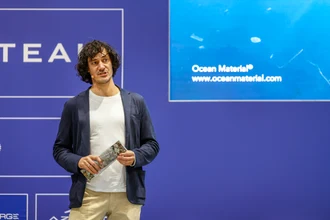
Ocean Material often collaborates with passionate problem solvers who are dedicated to innovative solutions for ocean pollution. We had a conversation with Ludwig Schmidtchen, Head of the Seaweed Polymer Project at Brabender, who shared insights into a groundbreaking approach that aims to transform seaweed directly into polymer materials through extrusion. We’re excited to summarize this innovative concept in the following article.
Seaweed growth incorporates carbon into biomass, but this does not by itself establish a carbon-negative packaging material. A life cycle assessment would need to account for cultivation, drying, processing, transport, use and end of life, including the fate of the biogenic carbon. Environmental comparisons require a defined material formulation and an equivalent packaging function.
The Concept of Direct Seaweed-to-Polymer Extrusion
The idea behind this approach involves directly processing seaweed into polymer material through extrusion, converting it into products such as pellets, strands, films or 3D-moulded parts. The material is called Carraphane. Fewer processing steps are a development objective; their effect on the carbon footprint and energy demand needs assessment for the actual production route. The following process overview is a conceptual comparison, not an LCA result:

This development approach uses seaweed biomass as a potential alternative feedstock for selected packaging applications. The journey starts with cultivation and harvesting, followed by drying and processing. Cultivation conditions, moisture removal and processing energy must be included when assessing its environmental and economic performance.
A Sustainable Packaging Solution
From films to packaging for small technical parts, seaweed-based polymer materials offer possibilities for bio-based packaging development. Recycling loops for these materials are not yet established here. Disposal with organic waste should not be assumed appropriate: acceptance and treatment depend on the final formulation, demonstrated compostability and the local collection system.
Towards Biodegradability and Water Resistance
Biodegradability, compostability and water resistance are separate properties to assess for the final formulation and application. Dissolution in water is not in itself evidence of complete biodegradation. Test conditions, duration and results need to be established before making claims about home composting or behaviour in the open environment.
A Promising Future for Seaweed-Based Polymers
The direct processing of seaweed into polymer material through extrusion presents a promising avenue for sustainable and eco-friendly packaging solutions. As work continues to optimize the material and explore its potential applications, researchers and innovators are excited about the possibilities that seaweed-based polymers offer to reduce environmental impact and promote a more circular economy.
Through collaboration, Ocean Material and Brabender are leading the way in this exciting, environmentally conscious research field. With ongoing advancements and growing awareness of sustainable alternatives, the future of eco-friendly packaging shines bright, with seaweed-based polymers at the forefront.
Explore more: